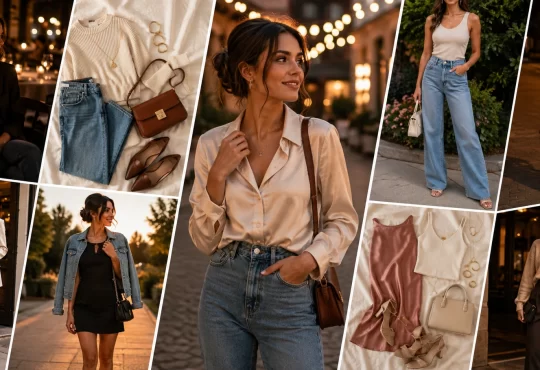


A thoughtfully planned wardrobe makes getting dressed easier, reduces unnecessary spending, and helps create polished outfits for almost any occasion. A capsule wardrobe checklist is a practical tool for women over 40 who want versatile clothing that reflects their personal style while minimizing clutter. Instead of filling a closet with trendy items that quickly go out of fashion, a capsule wardrobe focuses on timeless pieces that work together in multiple combinations.
This approach is built around quality rather than quantity. Neutral colors, flattering silhouettes, and durable fabrics become the foundation of a wardrobe that remains useful year after year. By choosing versatile essentials and adding a few seasonal accents, it becomes possible to create dozens of outfits from a relatively small collection of clothing.
Whether refreshing an existing closet or starting from scratch, this guide explains the essential pieces every woman over 40 should consider, along with practical styling tips backed by expert fashion recommendations.
What Is A Capsule Wardrobe?
A capsule wardrobe is a carefully selected collection of clothing pieces designed to mix and match effortlessly. London boutique owner Susie Faux popularized the idea in the 1970s and later gained wider recognition through designer Donna Karan’s “Seven Easy Pieces” concept, which demonstrated how a small number of versatile garments could create numerous outfits.
Rather than following every seasonal trend, a capsule wardrobe emphasizes timeless staples that fit well and suit everyday life. Most capsule wardrobes include classic tops, trousers, dresses, outerwear, shoes, and accessories that complement one another.
For women over 40, this approach often shifts the focus from fast-changing fashion to confidence, comfort, and long-term value.
Why A Capsule Wardrobe Works After 40
Personal style often becomes more defined with age. Instead of experimenting with every new trend, many women begin choosing clothing that reflects their lifestyle, career, and preferences.
A smaller wardrobe also saves time. Since every item coordinates with the others, creating outfits becomes much simpler. Shopping decisions become easier because each new purchase has a clear purpose within the existing wardrobe.
Quality clothing may cost more initially, but durable fabrics and classic tailoring often provide better value over time than frequently replacing inexpensive trend-driven pieces.
Building A Capsule Wardrobe Checklist
The goal is not to own the fewest possible clothes. Instead, it is to own the right clothes.
Before shopping, evaluate the current wardrobe and remove items that no longer fit, are damaged beyond repair, or have not been worn for years. This makes it easier to identify what is actually needed.
The following capsule wardrobe checklist includes versatile essentials that work well across seasons and occasions.
| Category | Recommended Pieces | Why They Matter |
|---|---|---|
| Tops | White shirt, neutral T-shirts, knit sweater | Easy to layer and mix with different outfits |
| Bottoms | Dark jeans, tailored trousers, midi skirt | Suitable for casual, business, and smart-casual looks |
| Dresses | Wrap dress, little black dress | Works for both everyday wear and special occasions |
| Outerwear | Blazer, trench coat, wool coat | Adds structure, warmth, and seasonal versatility |
| Shoes | White sneakers, loafers, ankle boots, pumps | Covers everyday, work, and dressier occasions |
| Accessories | Leather handbag, belt, scarf, simple jewelry | Completes outfits without overwhelming your wardrobe |
Essential Tops
Every capsule wardrobe begins with versatile tops.
A crisp white button-down shirt pairs effortlessly with jeans, trousers, skirts, and even layered under sweaters. Neutral crew-neck or V-neck T-shirts in white, black, navy, or beige provide everyday flexibility.
Fine-knit sweaters and lightweight cardigans add warmth while remaining easy to layer. Choosing quality fabrics such as cotton, merino wool, or cashmere blends often improves comfort and durability.
Bottoms That Match Everything
Dark-wash straight-leg jeans remain one of the most practical wardrobe staples because they transition easily from casual outings to smart casual settings.
Tailored trousers in black, navy, or charcoal create polished office looks while also pairing well with casual knitwear. A classic midi skirt offers another versatile option that works throughout the year with boots, flats, or heels.
Selecting neutral colors allows every bottom to coordinate with multiple tops, maximizing outfit combinations.
Dresses Worth Investing In
A wrap dress remains flattering for many body shapes because it naturally defines the waist while offering comfort.
A simple black dress also deserves a place in every wardrobe. Depending on accessories, it can work for business events, dinners, weddings, or evening occasions.
Shirt dresses provide another practical option, combining comfort with effortless style for everyday wear or travel.
Outerwear That Never Goes Out Of Style
Outerwear often defines an outfit during cooler months.
A structured blazer instantly elevates jeans and T-shirts while remaining appropriate for work meetings. A classic trench coat adds timeless style during spring and autumn, while a wool coat provides warmth throughout winter.
Neutral colors such as camel, navy, black, or gray ensure these investment pieces coordinate easily with the rest of the wardrobe.
Choosing Shoes For Maximum Versatility
Shoes should balance comfort with style.
White leather sneakers work well with dresses, jeans, and tailored trousers. Loafers provide polished comfort for everyday wear, while ankle boots offer practical style across multiple seasons.
Classic pumps in nude or black continue to be reliable choices for professional settings and formal occasions. Prioritizing comfort, proper fit, and durable construction often leads to better long-term value than following short-lived footwear trends.
Accessories That Complete Every Outfit
Accessories add personality to a capsule wardrobe without taking up much space. Choosing a few timeless pieces instead of a large collection makes it easier to create polished looks for different occasions.
A structured leather handbag in black, tan, or taupe works well with both casual and dressy outfits. A quality leather belt can create a more defined silhouette with dresses while adding structure to trousers and jeans. Lightweight scarves introduce color and texture while remaining practical during cooler weather.
Jewelry should focus on versatility. Stud earrings, a delicate necklace, a classic watch, and a simple bracelet complement most outfits without overpowering them. These pieces can be worn daily and easily layered for more formal occasions.
Choosing The Right Color Palette
One of the reasons a capsule wardrobe works so well is its consistent color palette. Selecting complementary shades allows nearly every item to mix and match effortlessly.
Neutral colors such as black, white, navy, gray, beige, camel, and olive provide a flexible foundation. These shades rarely go out of style and pair easily with one another.
Accent colors can then be added through blouses, scarves, handbags, or jewelry. Burgundy, emerald green, soft blue, dusty pink, or deep purple often complement neutral wardrobes while adding visual interest. Limiting accent colors prevents the wardrobe from becoming difficult to coordinate.
Prioritize Fabric Quality
Quality fabric often has a greater impact than the number of clothes in a wardrobe.
Natural fibers such as cotton, linen, silk, wool, and cashmere generally offer better breathability and comfort than many synthetic materials. Blended fabrics may also improve durability and reduce wrinkling.
Examining stitching, seams, buttons, and zippers before purchasing clothing helps identify garments that are likely to last longer. Investing in fewer, well-made pieces often proves more economical than repeatedly replacing inexpensive items.
Dressing For Different Occasions
One advantage of following a capsule wardrobe checklist is the ability to create outfits for many situations using the same core pieces.
For casual outings, dark jeans, a neutral T-shirt, white sneakers, and a lightweight cardigan create a comfortable yet polished appearance. Swapping the sneakers for loafers instantly elevates the outfit.
Professional settings may call for tailored trousers, a crisp white shirt, a structured blazer, and classic pumps or loafers. For evening dinners or special occasions, a wrap dress or black dress paired with elegant jewelry and heels creates a sophisticated look without requiring an entirely separate wardrobe.
Travel also becomes easier with a capsule wardrobe because every piece coordinates with the others. Packing fewer items while maintaining multiple outfit combinations saves luggage space and simplifies planning.
Seasonal Updates Without Replacing Everything
A capsule wardrobe does not remain the same throughout the year. Seasonal adjustments allow it to stay practical while maintaining the same core foundation.
During warmer months, lightweight linen shirts, breathable cotton dresses, cropped trousers, and comfortable sandals become more useful. In colder weather, wool coats, knit sweaters, ankle boots, scarves, and gloves provide warmth without changing the overall wardrobe structure.
Rather than replacing everything each season, simply rotating clothing in and out of storage helps keep closets organized while extending the life of garments.
Smart Shopping Tips
Successful capsule wardrobes are built gradually rather than through one large shopping trip.
Before purchasing new clothing, consider whether the item works with at least three existing outfits. If it only matches one piece, it may not contribute much versatility.
Creating a shopping list also helps prevent impulse purchases. Focusing on wardrobe gaps instead of temporary fashion trends encourages smarter spending and reduces unnecessary clutter.
Waiting a day or two before buying expensive items can also help determine whether the purchase is truly needed.
Clothing Care Extends Wardrobe Life
Proper garment care protects clothing investments.
Following washing instructions, using gentle detergents, and avoiding excessive heat during drying help fabrics maintain their appearance. Sweaters should often be folded rather than hung to prevent stretching, while structured jackets benefit from quality hangers that preserve their shape.
Leather shoes and handbags also last longer with regular cleaning and conditioning. Rotating footwear regularly helps maintain shoe quality by allowing materials to recover between uses.
Small maintenance tasks such as replacing loose buttons, repairing hems, or removing fabric pills can significantly extend the lifespan of favorite pieces.
Common Capsule Wardrobe Mistakes
Many people misunderstand the purpose of a capsule wardrobe.
One common mistake is buying only neutral basics while ignoring personal style. While versatility is important, clothing should also reflect personal style and everyday needs.
Another mistake is focusing entirely on quantity instead of quality. Owning fewer clothes does not automatically create a functional wardrobe if the garments do not fit well or coordinate with one another.
Some shoppers also remove too many items too quickly. Gradually refining a wardrobe often leads to better results than replacing everything at once.
Finally, chasing every new fashion trend defeats the purpose of a capsule wardrobe. Trend pieces can still be included occasionally, but timeless essentials should remain the foundation.
Creating A Wardrobe That Lasts
Building a wardrobe takes time, and there is no universal formula that works for everyone. Career requirements, climate, hobbies, and personal preferences all influence clothing choices.
The capsule wardrobe checklist should serve as a flexible guide rather than a strict set of rules. Adjusting the number of tops, dresses, shoes, or accessories based on daily needs creates a collection that feels both practical and personal.
The most successful wardrobes prioritize confidence, comfort, versatility, and quality over constantly changing fashion trends. Choosing clothing that fits well, coordinates easily, and suits everyday life helps reduce decision fatigue while making every purchase more intentional.
Building A Timeless Capsule Wardrobe
A thoughtfully planned capsule wardrobe checklist helps women over 40 create stylish outfits with less effort and greater confidence. Focusing on timeless essentials, quality fabrics, and versatile colors makes it easier to mix and match clothing for work, casual outings, travel, and special occasions. Instead of chasing short-lived trends, investing in well-made staples can lead to a wardrobe that remains practical for years. The goal is not to own fewer clothes for the sake of minimalism, but to own pieces that fit well, suit everyday life, and offer lasting value.