
Color-Blocking for a Capsule Wardrobe: 20 Outfits From the Clothes You Already Own

Having fewer clothes doesn’t mean you have to repeat the same outfits every week. With a little creativity, the clothes already in your closet can create fresh combinations without requiring additional purchases. Color-blocking is a practical way to do this in a capsule wardrobe. It combines solid colors to give familiar pieces a different appearance while keeping them easy to mix and match.
If your wardrobe includes neutral basics alongside a few colorful tops, trousers, skirts, or jackets, you already have plenty of options, instead of pairing every colored item with black or white, experiment with complementary shades, neighboring hues, and contrasting tones.
These 20 outfit ideas show how to use color-blocking with everyday wardrobe staples. Adjust the colors, cuts, and accessories to suit your personal style.
How Color-Blocking Works in a Capsule Wardrobe
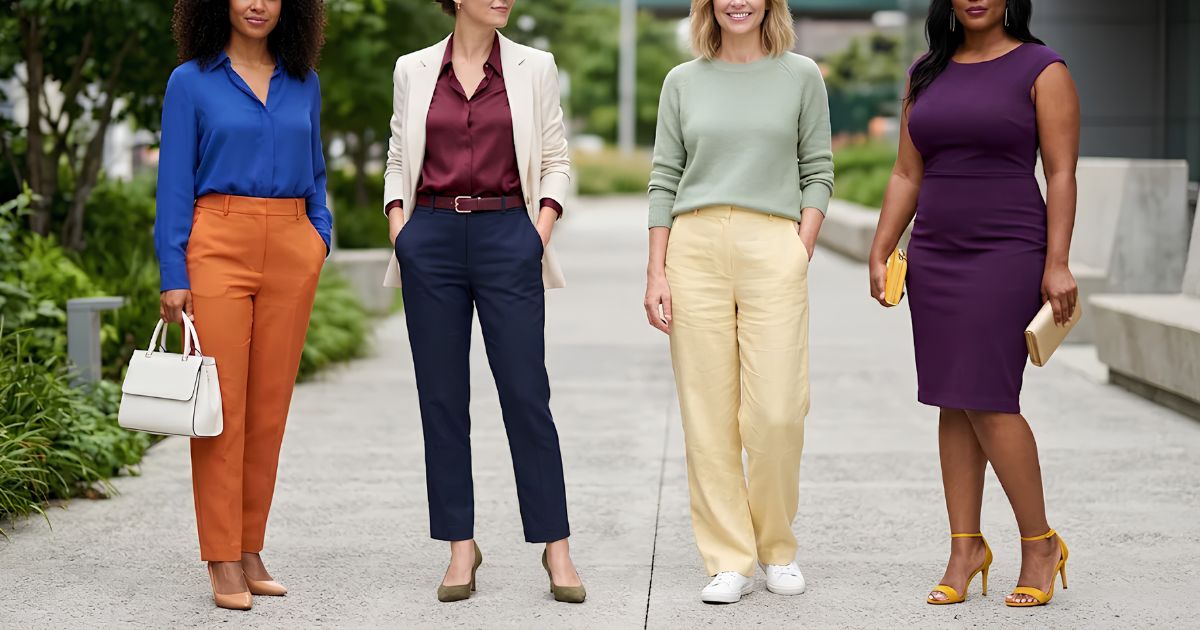
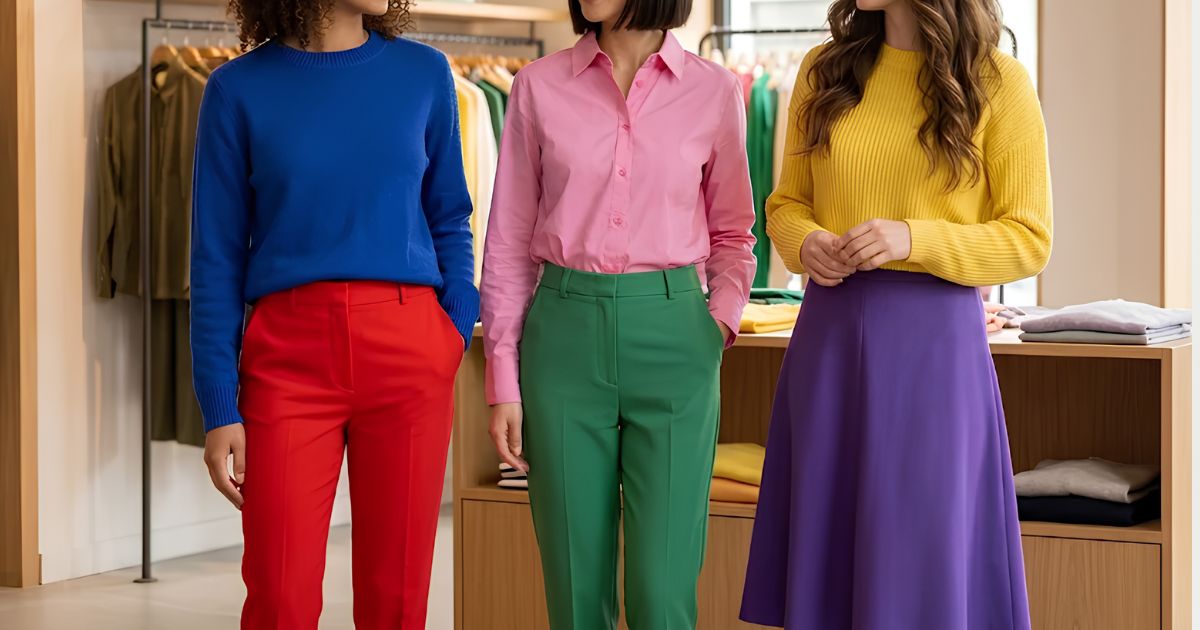
Color-blocking means pairing two or more contrasting or distinct colors in a single outfit. These usually come from separate garments, such as a colored blouse paired with contrasting trousers.
You do not need an entirely colorful wardrobe to try this technique. Neutral shades such as black, white, gray, navy, beige, and brown provide a foundation for brighter colors.
Choose a Flexible Color Palette
Start by identifying the colors you wear most often. Choose two or three neutral shades, then identify one or two accent colors already present in your wardrobe.
Navy, white, and beige, for instance, can work with red, green, or yellow. The goal is to find combinations that allow individual garments to work with several other pieces.
Understand Basic Color Combinations
The color wheel provides a useful starting point for combining shades.
- Complementary colors: Colors positioned opposite each other on the color wheel, such as blue and orange or red and green.
- Analogous colors: Next to each other on the color wheel, such as blue and green or yellow and orange.
- Tonal combinations: Different shades of the same color, such as light blue, medium blue, and navy.
Complementary colors create stronger contrast, while analogous and tonal combinations generally look softer. Neutral garments can help balance brighter shades.
Start With Clothes You Already Own
Organize your clothes by color and identify pieces that can serve as the main or supporting shade in an outfit.
A white shirt pairs well with red trousers, green skirts, or blue jeans. A navy cardigan can complement pink, cream, yellow, or light blue.
Use your most-worn basics as starting points for new combinations.
20 Color-Blocking Outfits Using Clothes You Already Own
Outfits With Jeans and Everyday Basics
Jeans are easy to incorporate into color-blocking because denim works with many different shades.
1. Blue Jeans and a Red Top
Pair straight-leg blue jeans with a red T-shirt, blouse, or sweater. White sneakers keep the outfit casual, while black flats make it slightly dressier.
2. Dark Jeans and a Green Shirt
Combine dark blue jeans with a forest-green or emerald-green button-down shirt. Complete the outfit with a brown belt and loafers for a relaxed, coordinated look.
3. Light-Wash Jeans and a Yellow Sweater
Wear light blue denim with a pale yellow or mustard sweater. White sneakers or beige flats complement the lighter colors.
4. Black Jeans and a Cobalt Blue Top
Cobalt blue creates strong contrast against black jeans. Complete the outfit with black shoes or a matching bag to keep the combination balanced.
5. White Jeans and a Pink Shirt
Pair white jeans with a dusty pink, blush, or brighter pink shirt. Neutral sandals, beige flats, or white sneakers finish the outfit without distracting from the colors.
Outfits With Trousers and Structured Pieces
Tailored trousers and wide-leg pants provide larger areas of color, making them useful for experimenting with contrasting shades.
6. Beige Trousers and a Blue Blouse
Combine beige trousers with a sky-blue or medium-blue blouse. Brown loafers or nude flats complement the warm neutral shade.
7. Black Trousers and a Bright Green Top
Wear black tailored trousers with a lime-green, emerald, or leaf-green top. Add a black blazer for a more polished appearance.
8. Gray Trousers and a Burgundy Sweater
Pair charcoal or medium-gray trousers with a burgundy knit. Black boots or dark loafers complete this understated combination.
9. White Trousers and a Purple Top
Wear white trousers with a lavender or deep purple blouse. Choose lighter shades for a softer appearance or richer purple for stronger contrast.
10. Navy Trousers and a Mustard Yellow Shirt
Mustard yellow stands out against navy. Pair them with brown shoes and a matching belt for a balanced outfit.
Outfits With Skirts and Dresses
Skirts and dresses offer another way to introduce color-blocking without buying matching sets.
11. Black Skirt and a Red Blouse
Pair a black midi or knee-length skirt with a red blouse. Wear comfortable sneakers or flats during the day, or choose dressier shoes for evening occasions.
12. Beige Skirt and a Green Sweater
Combine a beige skirt with an olive or forest-green sweater. Ankle boots, loafers, or sandals work depending on the weather.
13. Blue Skirt and a White Shirt
A blue skirt and crisp white shirt create a simple color-blocked outfit. Opt for navy to create stronger contrast or pale blue for a softer color combination.
14. Pink Skirt and a Red Top
Pair a dusty pink skirt with a deeper red top, or combine brighter shades for a bolder appearance. Neutral footwear keeps the focus on the colors.
15. Purple Dress and a Green Jacket
Add a green jacket or cardigan over a purple dress for a balanced, colorful outfit. Muted shades create a softer contrast, while brighter colors make the combination more noticeable.
Outfits With Jackets, Cardigans, and Layers
Outerwear makes color-blocking easier because swapping one layer can give a familiar outfit a new look.
16. White T-Shirt, Blue Jeans, and a Yellow Cardigan
Wear a yellow cardigan over a white T-shirt and blue jeans. The cardigan adds color while keeping the rest of the outfit simple.
17. Black Top, Beige Trousers, and a Red Blazer
Combine a black top and beige trousers with a red blazer for a polished look with a bold pop of color. For a more relaxed option, swap the blazer for a red cardigan.
18. Gray Dress and a Cobalt Blue Jacket
Add a cobalt blue jacket to a simple gray dress. Black flats or white sneakers make the combination suitable for daytime activities.
19. Navy Dress and a Pink Cardigan
Wear a pink cardigan over a navy dress. Pale pink creates subtle contrast, while brighter shades make the cardigan stand out.
20. White Shirt, Black Trousers, and a Green Jacket
Combine a white shirt and black trousers with an olive, emerald, or forest-green jacket. Loafers, sneakers, or ankle boots complete the outfit.
How to Make Color-Blocked Outfits Look Coordinated
Combining several colors doesn’t automatically create a balanced outfit. Shades, garment proportions, and accessories also affect the overall look.
Give One Color More Visual Weight
When combining two strong colors, decide which one should stand out. A red blouse with navy trousers, for instance, creates contrast while letting the brighter top draw attention.
One useful styling approach is to combine a dominant color, a supporting shade, and a smaller accent. This three-color guideline is flexible, not a strict rule.
Repeat Colors Through Accessories
Accessories can connect different parts of an outfit. A scarf, belt, bag, or pair of shoes that includes one of your clothing colors can help create a more coordinated appearance.
You do not need every accessory to match. Repeating a shade in small details is often enough.
Consider Fabric and Proportions
The shape and texture of your clothes matter just as much as their colors. Balance an oversized sweater with fitted jeans or combine wide-leg trousers with a more structured top.
Mixing textures, such as denim with knitwear or cotton with a smooth blazer, can also add interest to simple color combinations.
Experiment Before Buying More Clothes
If an outfit doesn’t look right, try swapping one garment or adding a neutral piece between two strong colors.
Photograph combinations you like so you can recreate them later. This also helps you identify which garments offer the most styling options.
Refresh Your Wardrobe With Color-Blocking
Color-blocking offers a practical way to get more variety from a capsule wardrobe without constantly shopping for new clothes. Jeans, neutral trousers, skirts, and basic dresses can all become starting points for experimenting with different color combinations. By mixing familiar pieces in new ways, you can create outfits for work, casual outings, and everyday activities.
Start with one garment you enjoy wearing and build three different outfits around it. Try a neutral pairing, a complementary color, and a softer combination using neighboring shades. Keep the combinations that feel comfortable and suit your routine. With a little experimentation, your existing clothes can provide more outfit possibilities than you might expect.