

Some days call for bright colors and bold combinations, while others suit softer shades and understated outfits. What you wear can reflect your mood, your plans, and how much attention you want your clothes to attract. Color blocking makes it easier to express your personal style without relying on complicated prints or elaborate styling.
Learning how to choose color blocking outfits starts with understanding how different colors work together and deciding what kind of look feels appropriate for the day. Cobalt blue and orange create a lively look, while sage green and soft yellow offer a gentler alternative. Neither approach requires a completely new wardrobe. A few well-chosen pieces can create several combinations for work, casual outings, social events, and relaxed days.
Color blocking does not mean wearing several intensely bright shades at once. It can be as simple as pairing a colorful blouse with neutral trousers or choosing a two-tone dress. The goal is to create a balanced outfit that suits your plans and feels comfortable.
What Is Color Blocking?
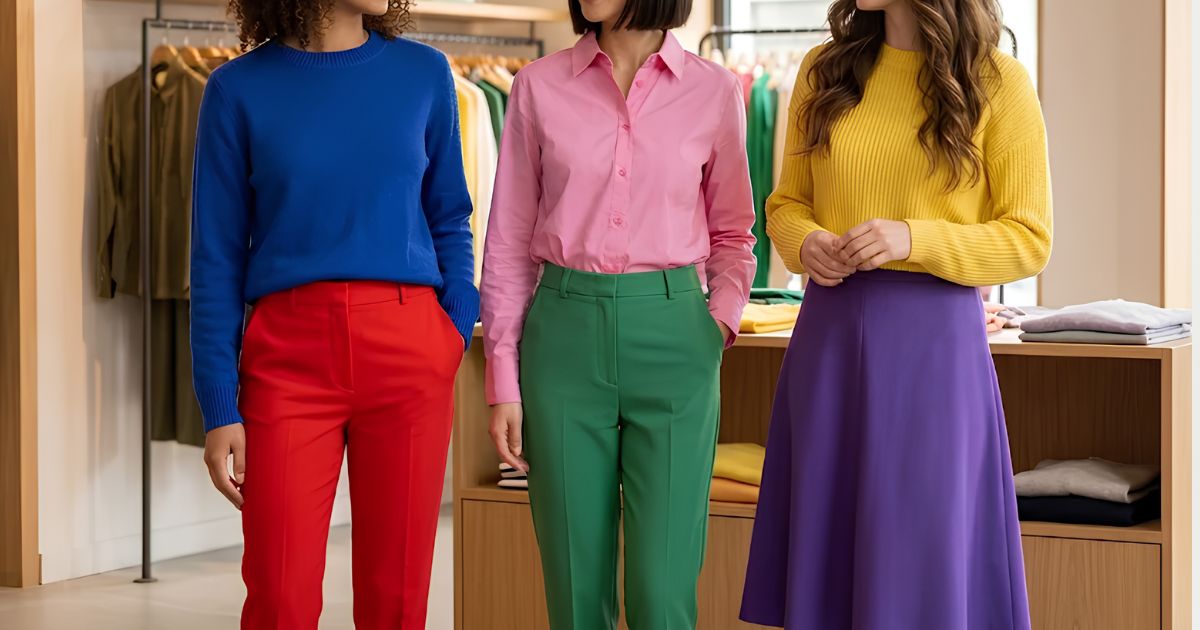
Color blocking is a styling technique that combines two or more distinct colors in one outfit. The colors can appear in separate garments, such as a green top and purple trousers, or within a single piece, such as a dress with contrasting panels.
Color blocking appears in everyday separates, tailored clothing, knitwear, dresses, shoes, and accessories. It offers a straightforward way to add color without relying on complicated patterns.
Start With the Mood You Want to Express
Think about how you want to feel when getting dressed. A busy day might call for something comfortable and familiar, while an important presentation might call for a more structured outfit with confident color choices.
Different shades can create different visual impressions. Bright yellow and orange can make an outfit look more energetic, while deep blue and burgundy often create a more subdued look. Pastel pink and mint green offer a softer aesthetic.
Individual responses to colors vary according to personal preferences, experiences, and cultural associations. Use these combinations as styling inspiration rather than strict rules. If wearing red makes you feel confident, there is no reason to save it for special occasions.
Consider Your Schedule and Environment
Your outfit should work for your planned activities. A color combination that looks attractive for a weekend gathering might feel impractical for a day filled with meetings or errands.
Consider these situations when choosing your colors:
- Busy workdays: Choose structured pieces in navy, forest green, burgundy, or muted blue.
- Casual afternoons: Experiment with brighter combinations, including pink and orange or blue and yellow.
- Social gatherings: Try contrasting colors for a more noticeable look.
- Relaxed days: Choose softer shades, such as lavender, sage, cream, and pale blue.
- Special occasions: Consider coordinated colors in tailored dresses, matching sets, or elegant separates.
This approach makes getting dressed more intentional without turning it into a complicated decision.
How to Choose Color Blocking Outfits for Different Days
The easiest way to build a color blocked wardrobe is to create combinations for the situations you regularly encounter. Instead of following a fixed formula, choose colors based on the day’s atmosphere and the clothes you already own.
For Days When You Want to Feel Energetic
Bright combinations can make an ordinary outfit more noticeable. Orange, yellow, coral, cobalt blue, and hot pink work well when you want to wear something expressive.
Try a cobalt blue blouse with orange trousers or pair a yellow top with a pink skirt. These combinations create strong visual contrast without requiring additional patterns or decorative details.
If two bright colors feel overwhelming, add a neutral piece. White trousers, beige shoes, or a simple cream handbag can break up the look.
Another option is to use one bright color as the main feature and introduce the second through a smaller item. An orange dress with cobalt blue shoes creates a clear color blocking effect without introducing too many competing shades.
For Professional Days and Important Meetings
Color blocking can work in professional settings when the colors and silhouettes suit the workplace.
Deep blue, burgundy, olive green, charcoal, and cream are useful starting points. They offer more visual interest than an all-black outfit while staying understated.
Consider wearing navy trousers with a burgundy blouse or a cream blazer over a deep green top. A matching belt or handbag can help tie the colors together.
For workplaces with formal dress codes, keep the combinations restrained and choose structured garments. In more creative environments, brighter combinations such as purple and blue or green and pink may be appropriate.
The fabric and fit also matter. Well-fitted trousers, clean lines, and well-maintained clothing help a colorful outfit look intentional rather than overly casual.
For Days When You Prefer a Relaxed Look
Not every color-blocked outfit needs to make a strong statement. Softer shades are useful when you want something comfortable and easy to coordinate.
Try combinations such as:
- Sage green and pale yellow.
- Dusty pink and lavender.
- Powder blue and soft peach.
- Cream and muted coral.
- Light gray and pastel blue.
A loose pastel sweater with contrasting trousers is an easy option for casual days. You can also wear a two-tone T-shirt with denim or combine a relaxed shirt with a skirt in a complementary shade.
If you prefer simple clothing, start with familiar silhouettes. Straight-leg jeans, cotton trousers, relaxed blouses, and comfortable sneakers all work well with color blocking.
For Social Events and Special Occasions
Social gatherings provide more room to experiment with stronger combinations. Consider pairing purple with yellow, green with red, or blue with orange.
For an evening event, a deep purple dress with yellow-gold accessories can create an interesting contrast. For a daytime celebration, a pink top and red skirt offer a brighter alternative.
You can also wear color-blocked dresses or coordinated two-piece sets. These pieces already have planned color placement, making it easier to put an outfit together.
Keep accessories relatively simple when the clothing already contains several strong colors. A neutral clutch, understated jewelry, or shoes that repeat one of the outfit’s main shades can complete the look.
Choosing Color Combinations That Work Together
Understanding basic color relationships makes it easier to create outfits without guessing which shades belong together. A color wheel provides a useful reference because it shows how different hues relate to one another.
Three popular color schemes for creating outfits are complementary, analogous, and triadic combinations. Each creates a different visual effect.
Complementary Colors for Strong Contrast
Complementary hues are located on opposite sides of the color wheel. Common combinations include blue and orange, red and green, and purple and yellow.
These combinations create noticeable contrast, making them useful when you want the colors to stand out.
Wearing two highly saturated complementary shades in equal amounts can sometimes create a visually intense outfit. A practical approach is to let one color dominate while the other appears in a smaller area.
Wear a blue dress with orange shoes or an orange blouse with a blue handbag. Softer versions, such as dusty blue and terracotta, look less intense.
Analogous Colors for a Softer Appearance
Analogous colors are found next to each other on the color wheel, forming harmonious pairings such as blue and green, yellow and orange, or pink and red.
These combinations create a smoother transition because the shades are closely related.
An orange blouse with a yellow skirt can work for a bright daytime outfit. For something more understated, try a teal top with dark green trousers.
Analogous combinations are particularly useful if you are new to color blocking. They introduce multiple colors without the contrast of complementary pairs.
Triadic Colors for More Expressive Outfits
Triadic color schemes feature three hues evenly spaced around the color wheel, with red, yellow, and blue being a classic example.
This approach can produce striking outfits, but using all three colors in equal amounts may feel visually intense. Instead, select one dominant color and use the remaining two for smaller sections.
A blue outfit can include a red handbag and yellow shoes. You can also introduce an additional color through an accessory.
The three-color approach is a useful guideline, not a strict requirement. Neutral shades can help balance an outfit.
Making Color-Blocked Outfits Look Balanced
Choosing attractive colors is only part of putting together a successful outfit. Proportions, fabric choices, and color placement also influence the final result.
Pay Attention to Color Intensity
Saturation describes a color’s intensity, ranging from vivid and vibrant to soft and muted. Highly saturated colors tend to attract more attention, while less saturated shades look softer.
When starting, try pairing colors with similar intensity. Bright pink and vivid orange can work together, just as pastel blue and pale yellow create a coordinated combination.
Mixing a very bright shade with a heavily muted color creates a noticeable contrast in intensity. This can make one shade stand out more, particularly when the brighter color is used as an accent. Experimenting with different intensities can also produce interesting results.
Use Neutrals to Balance Bright Colors
Black, white, gray, beige, and cream can break up stronger colors. Navy is another versatile option that works well as a neutral in many outfits.
A green blouse and pink trousers might feel too bold for everyday wear, but adding a cream jacket can soften the combination.
Neutrals are also useful when you have one colorful garment you want to wear repeatedly. A red skirt, for instance, can be styled with white, navy, beige, or pale pink tops.
This makes color blocking more practical because you don’t need to buy several colorful pieces to create different outfits.
Balance Colors With Clothing Proportions
Consider how much space each color takes up. A bright, oversized top paired with equally bright wide-leg trousers creates a different effect than a small, colorful accessory worn with neutral clothing.
If you want one color to stand out, give it more space. Use the second color in a smaller area to create contrast.
You can also consider where each color appears. Bright details around the neckline can draw visual attention to the upper part of an outfit, while colorful trousers or skirts make the lower half more prominent.
Choose placements based on your preferences rather than assuming certain colors or shapes are universally flattering.
Choose Fabrics That Suit the Weather
Fabric choice affects both comfort and appearance. Cotton, linen, and lightweight blends work well in warm weather, while wool, thicker knits, and structured fabrics offer more coverage in cooler conditions.
Texture can also help distinguish colors visually. A smooth satin blouse paired with cotton trousers creates contrast through both color and fabric.
If you expect to spend several hours outdoors, prioritize breathable materials and comfortable cuts. An attractive color combination matters less if the clothing feels uncomfortable all day.
Building a Color Blocking Wardrobe Without Overspending
You do not need a large collection of colorful clothing to experiment with this style. A few versatile pieces can create several combinations when you choose colors that work with your existing wardrobe.
Start by identifying the colorful garments you already own. A bright blouse, skirt, pair of trousers, or jacket can serve as the starting point for different outfits.
Next, identify two or three colors that complement those pieces. If you own a blue blouse, you might add orange accessories, cream trousers, or a green skirt.
Before purchasing anything new, try combining your existing clothes in different ways. Take photographs of combinations you like so you can recreate them on busy mornings.
When shopping, prioritize garments you can wear with multiple items. A well-fitting pair of colorful trousers may offer more styling opportunities than a statement piece that works with only one top.
Consider garment care, fabric quality, and how often you expect to wear each item. Bright clothing isn’t automatically a worthwhile purchase if it doesn’t suit your regular activities.
Make Color Blocking Work for Your Day
Choosing color blocking outfits based on your day is less about following fashion rules and more about finding combinations that suit your plans, preferences, and comfort. Bright complementary shades can create an expressive look, while analogous colors and softer pastels offer a more understated option. Understanding these basic color relationships makes it easier to experiment without turning every outfit into a styling challenge.
Start with clothes already in your wardrobe and gradually introduce new shades as you discover combinations you enjoy wearing. Whether you are dressing for work, meeting friends, attending an event, or enjoying a quiet day, color blocking offers plenty of ways to make everyday clothing feel more personal. The best combination is one that works for your day and makes you feel comfortable wearing it.